
 Erfgoedcel Leuven
 Erfgoedcel Leuven
Belgium
Maurits Sabbe Library
A case for correct collection climate, without the energy cost
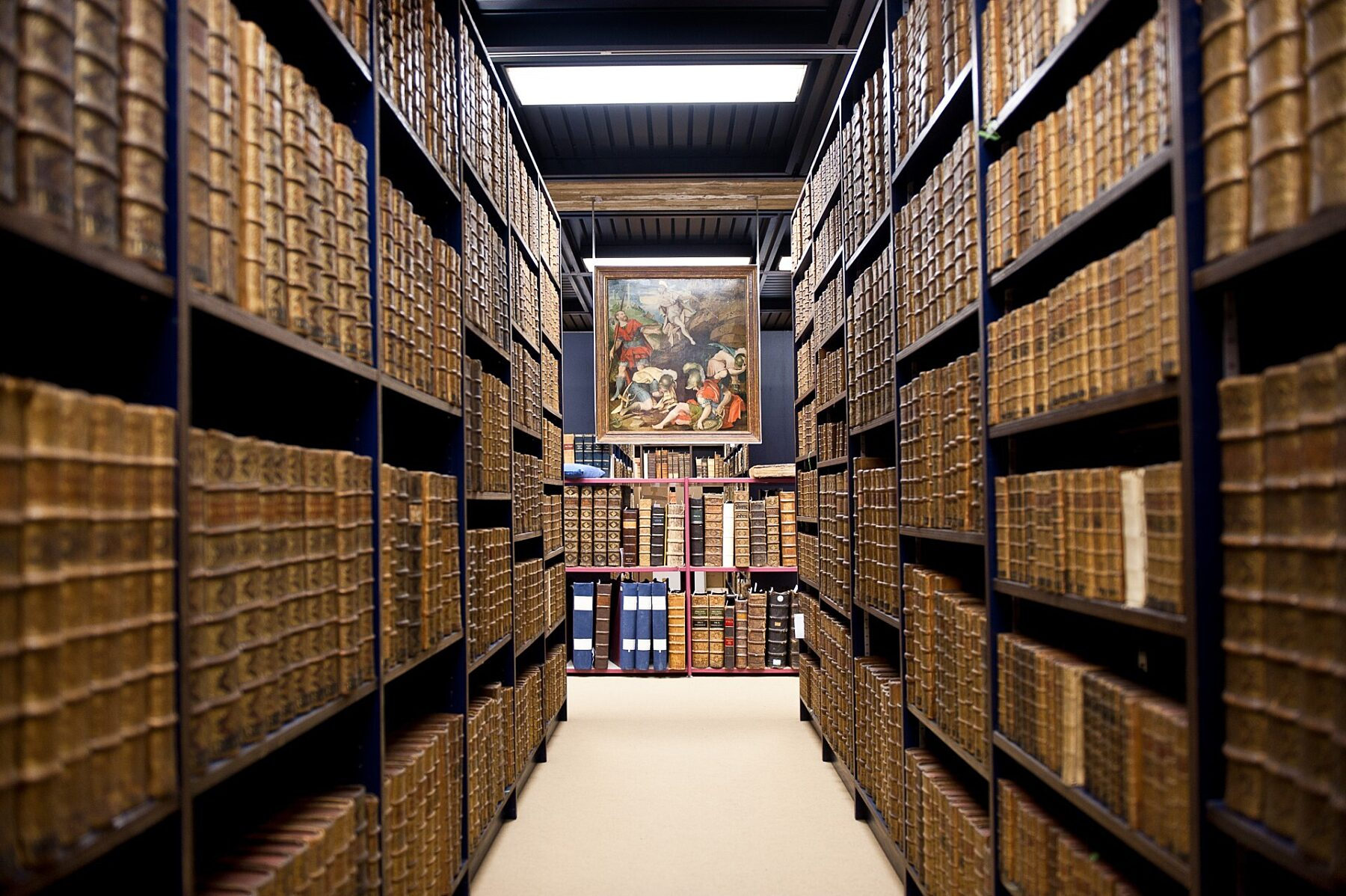
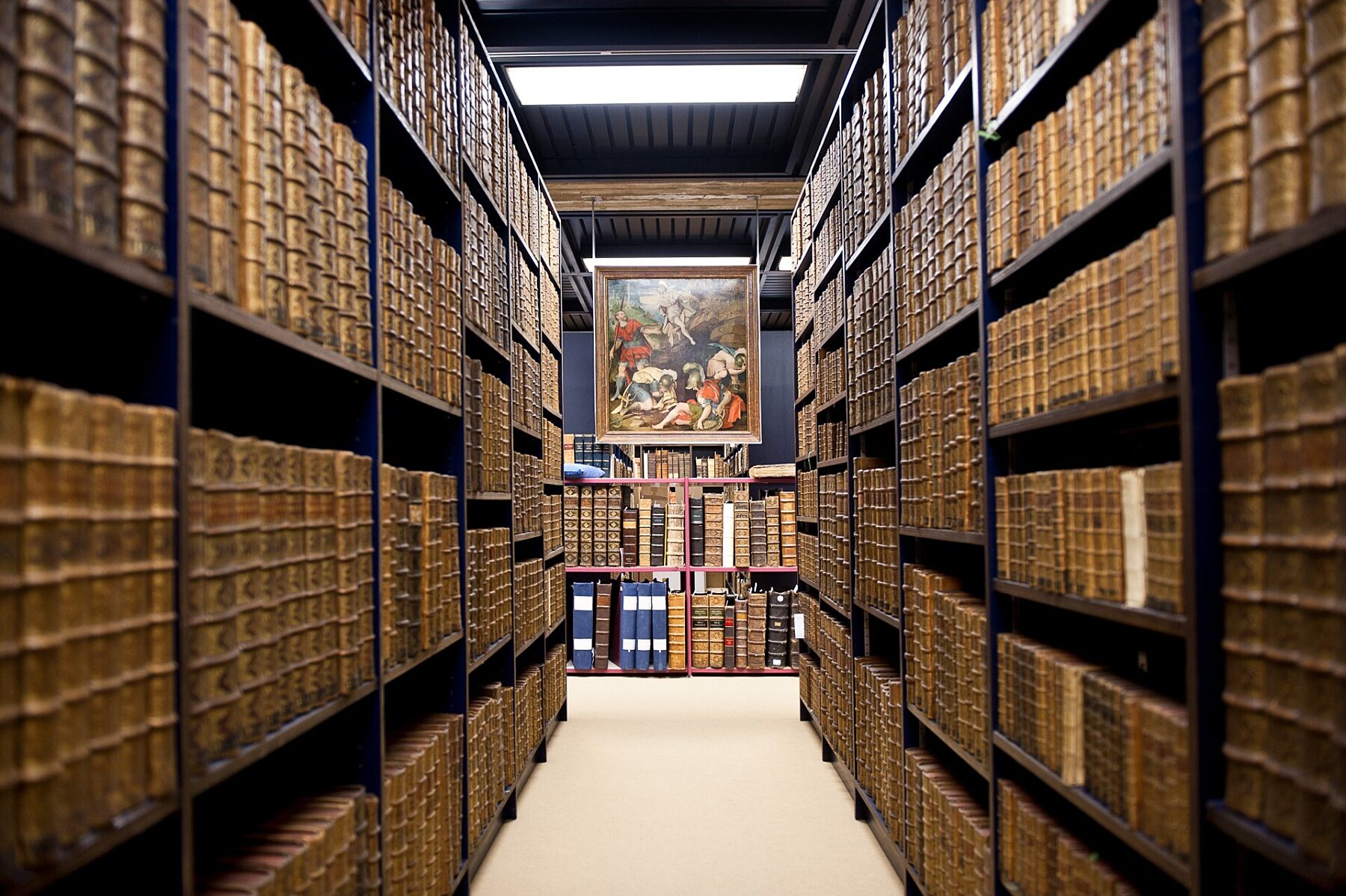
The Maurits Sabbe Heritage Library keeps an estimated 20,000 rare books and 1,200 manuscripts in its shelves. Among them are bibles and liturgical texts such as the Bible d’Anjou. It is one of the richest heritage collections in Flanders.
Clear objectives
The Maurits Sabbe Library was looking to gain more insight into the collection climate in their storage area. By optimising their climate management, they hoped to also reduce their energy use. Moreover, the Library aims to be granted the official heritage library status, and a detailed monitoring of the collection climate is a prerequisite.
Ending the sisyphus work of manual data collection
The system in place, with standalone loggers, had been installed a few years prior. It was a time-consuming laborious way to collect and process data. The library staff had to put in a lot of time and effort to retrieve the data and collect it in one place, making any insights and analysis near impossible.
Working with Charp
The library staff opted for a tailored monitor solution, with high-quality sensors dispersed throughout the storage areas, and a Rf-mesh sensor device network. The Rf-mesh sensor device network performed very well despite the presence of concrete structures and metal shelving.
Result
After drawing out the data and its evaluation, it was decided to deliberately shut down the climate system for some zones. Given the very high hygrothermal mass of the building structure and the collection, we expected little impact on the storage area's climate. Monitoring the climate before and after implementing the measure allowed us to confirm: not only did shutting down the HVAC not affect the collection climate in a critical way, it also allowed for substantial energy savings to be made.