 Erfgoedcel Leuven
 Erfgoedcel Leuven
België
Maurits Sabbe Library
De inhoud van deze pagina wordt momenteel nog vertaald. Bedankt voor uw geduld.
A case for correct collection climate, without the energy cost
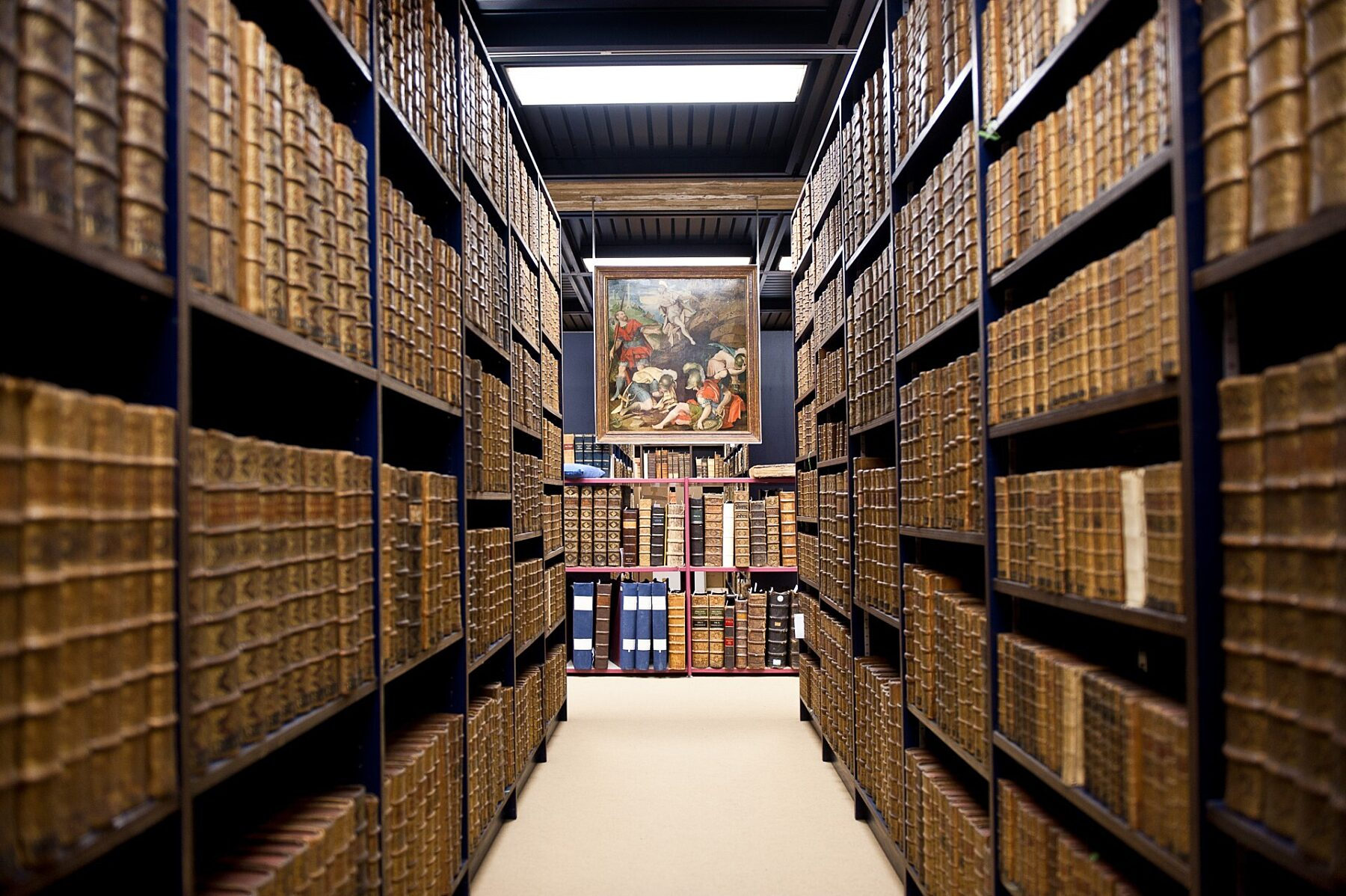
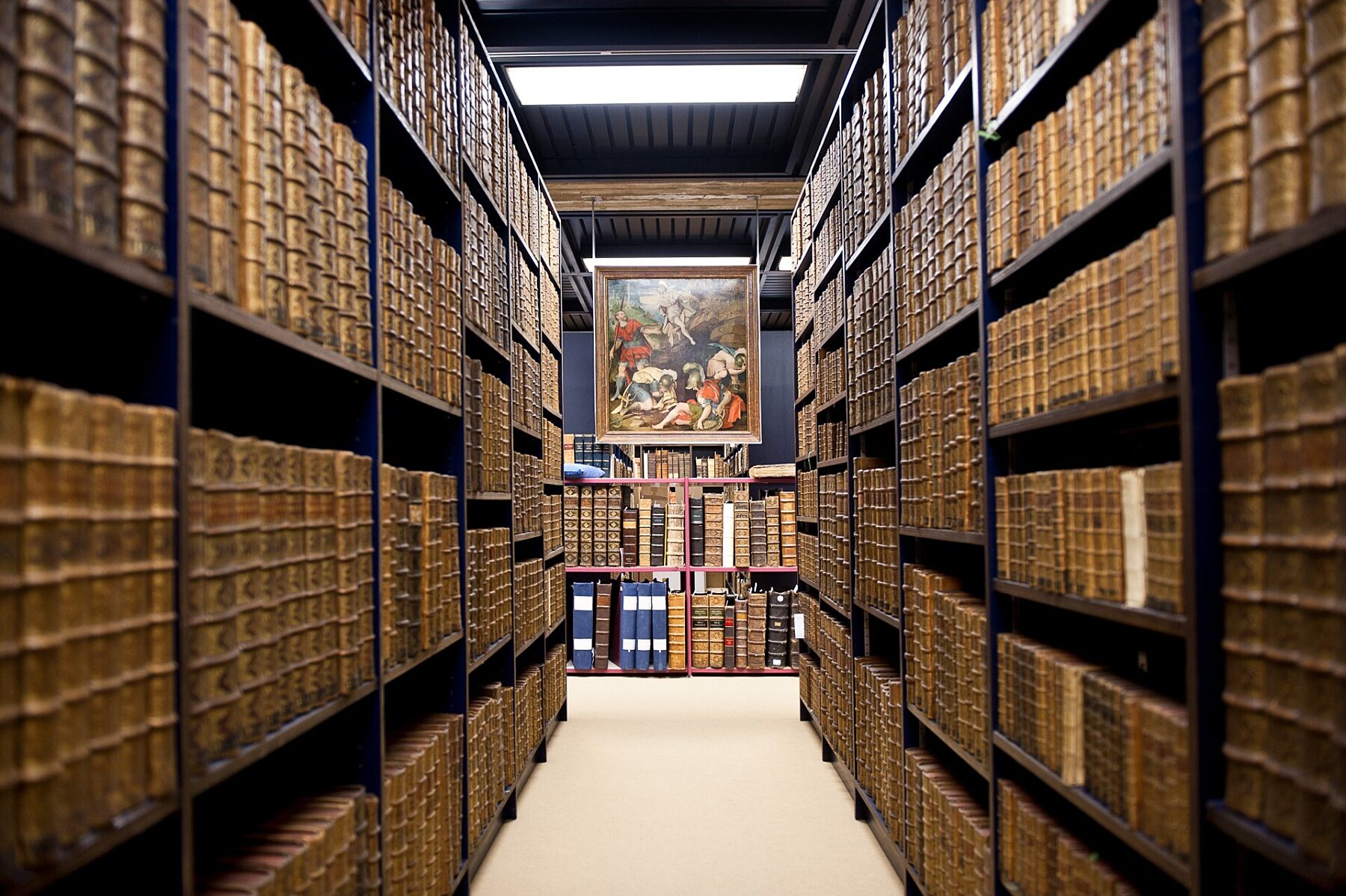
The Maurits Sabbe Heritage Library keeps an estimated 20,000 rare books and 1,200 manuscripts in its shelves. Among them are bibles and liturgical texts such as the Bible d’Anjou. It is one of the richest heritage collections in Flanders.
A simple goal
The Maurits Sabbe Library was looking for more insight into the current collection climate, in their endeavour to be recognised as an official heritage library, while also hoping to reduce their energy consumption.
Ending the sisyphus work of manual data collection
The system in place, with standalone loggers, had been installed only a few years prior. It was a time-consuming laborious way to collect and process data. The library staff had to put in a lot of effort to even retrieve the data and collect it in one place, making any insights and analysis near impossible.
Working with Charp
The library staff opted for a tailored monitor solution, with high-quality sensors dispersed throughout the storage areas, and a Rf-mesh sensor device network. The Rf-mesh sensor device network performed very well despite the presence of concrete structures and metal shelving.
Result
After drawing out the data and its evaluation, it was decided to deliberately shut down the climate system for some zones. Given the very high hygrothermal mass of the building structure and the collection, we expected little impact on the storage area's climate. Monitoring the climate before and after implementing the measure allowed us to confirm: not only did shutting down the HVAC not affect the collection climate in a critical way, it also allowed for substantial energy savings to be made.