

Monitoring for large scale loans
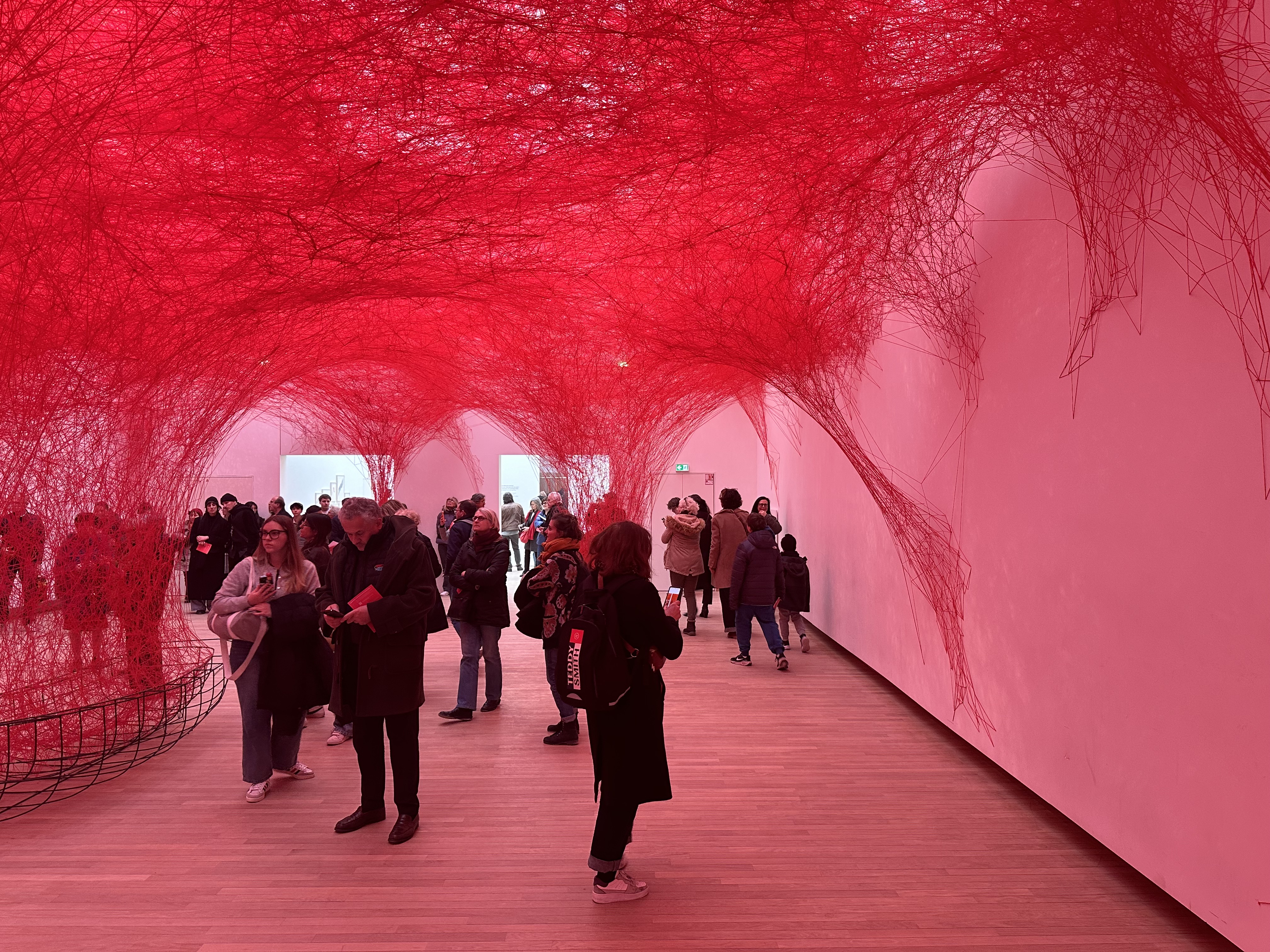
In autumn and winter of 2023-2024, a unique selection of Flemish masterpieces were gathered at the MAS for a unique exposition, entitled “Rare and Indispensable”. It was a large scale loan operation, with prestigious works by Rubens, Magritte, Bacon, Ensor, Jordaens from 30+ heritage institutions all over Flanders. All in honour of the 20th anniversary of the 'Flemish Masterpiece Decree'.
The Challenge
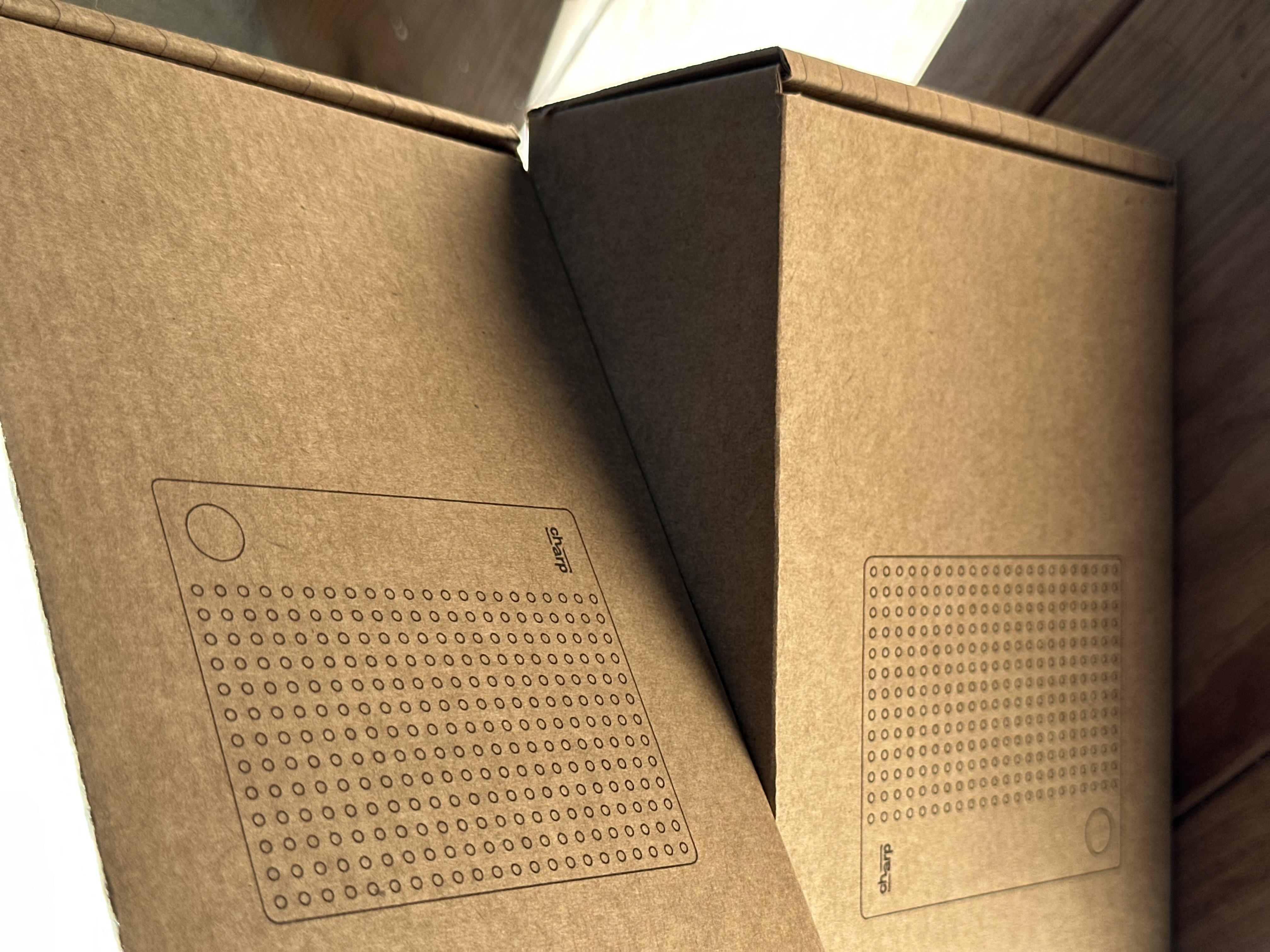
The exhibition's management has been primarily handled by the museum's in-house professionals, with special attention given to the aesthetics of the loggers. The common challenge in preventive conservation within an exhibition is to monitor as close to the objects as possible without attracting unnecessary attention.
The displayed works varied in their loan conditions and each work had unique requirements. The exhibition space, structured by timber framing, was equipped with a baseline air conditioning system to maintain stable room conditions. In addition, the museum arranged for wooden display cases, fitted with silica gel cassettes, to keep relative humidity levels stable around each object.
By closely monitoring the measurements within the display cases, facility managers and other professionals could accurately report to the lenders or intervene when necessary.
Our monitoring proposal
In this context, we supplied Charp Mini devices to monitor temperature, relative humidity, and light levels near the specified objects. Consequently, we translated each object's unique requirements into "alert rules" in the software, including minimum and maximum thresholds and fluctuations. The conservation team can consequently follow, visualize, manage, and share the real-time monitoring. Alerts triggered by certain levels allow for timely intervention, and reporting can be done with just a few clicks.
Result
The system performed this task flawlessly, even exceeding our expectations regarding gateway range. The timber framing, which didn't extend to the ceilings, clearly facilitated its wireless performance.
Thanks to the software's insights, the conservation staff noticed that humidity levels in the wooden display cases took quite some time to stabilise, but that after that the climate in the passively controlled display cases was very stable.
To conclude, each project presents us with an opportunity to adjust and improve our products. In this particular case, we updated a software component after a productive exchange with the museum.