Join us for the Live TEO Event
"Teo Live is designed to support the international touring exhibitions community – to discover exhibitions and experiences, hear about trends and meet with peers from around the world."





Preventive conservation for touring collections
International touring exhibitions of climate-sensitive artworks require maintaining stable environmental conditions—from departure through return—across varied buildings, transport modes, and institutional practices. Continuous climate monitoring, guided by standards such as the Bizot Green Protocol, ensures lenders and hosts keep the works within agreed parameters at every stage.


Who this is for
Touring collections rely on a complex, mobile network—registrars, conservators, curators, tour managers, producers, collectors, art handlers, crating crews, climate specialists, transport and storage agents, plus on-site venue staff—working together across multiple locations. Coordinating this group demands an intuitive platform that automates environmental monitoring, replaces manual logs and email-based spreadsheets, and delivers real-time data through clear visuals and straightforward metrics. Instant, reliable alerts and on-demand reporting keep all parties—from lenders to local teams—in sync and empowered to act quickly.
From installation to report: How it works
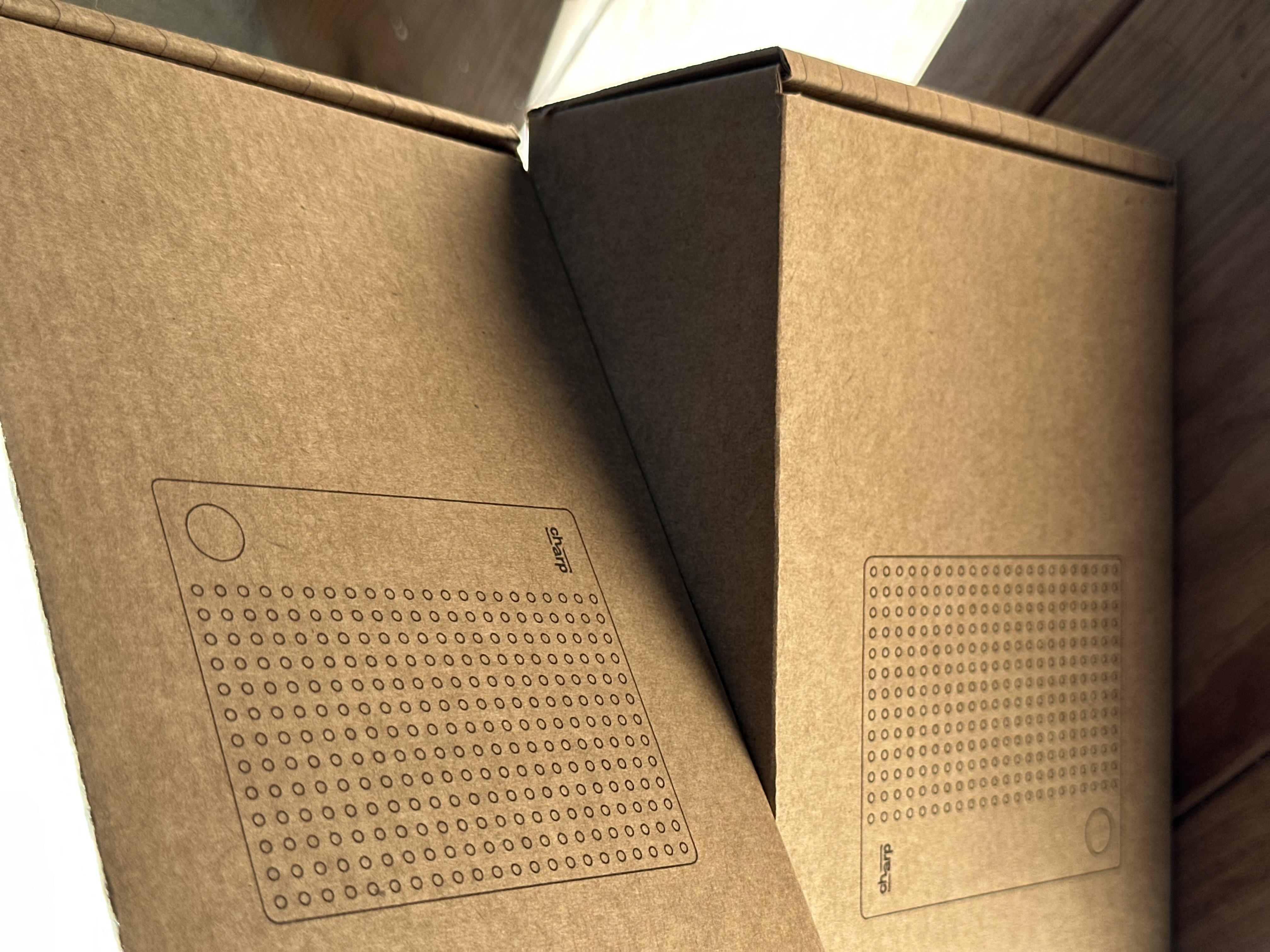
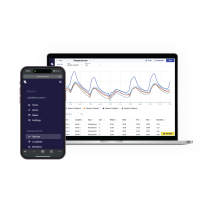
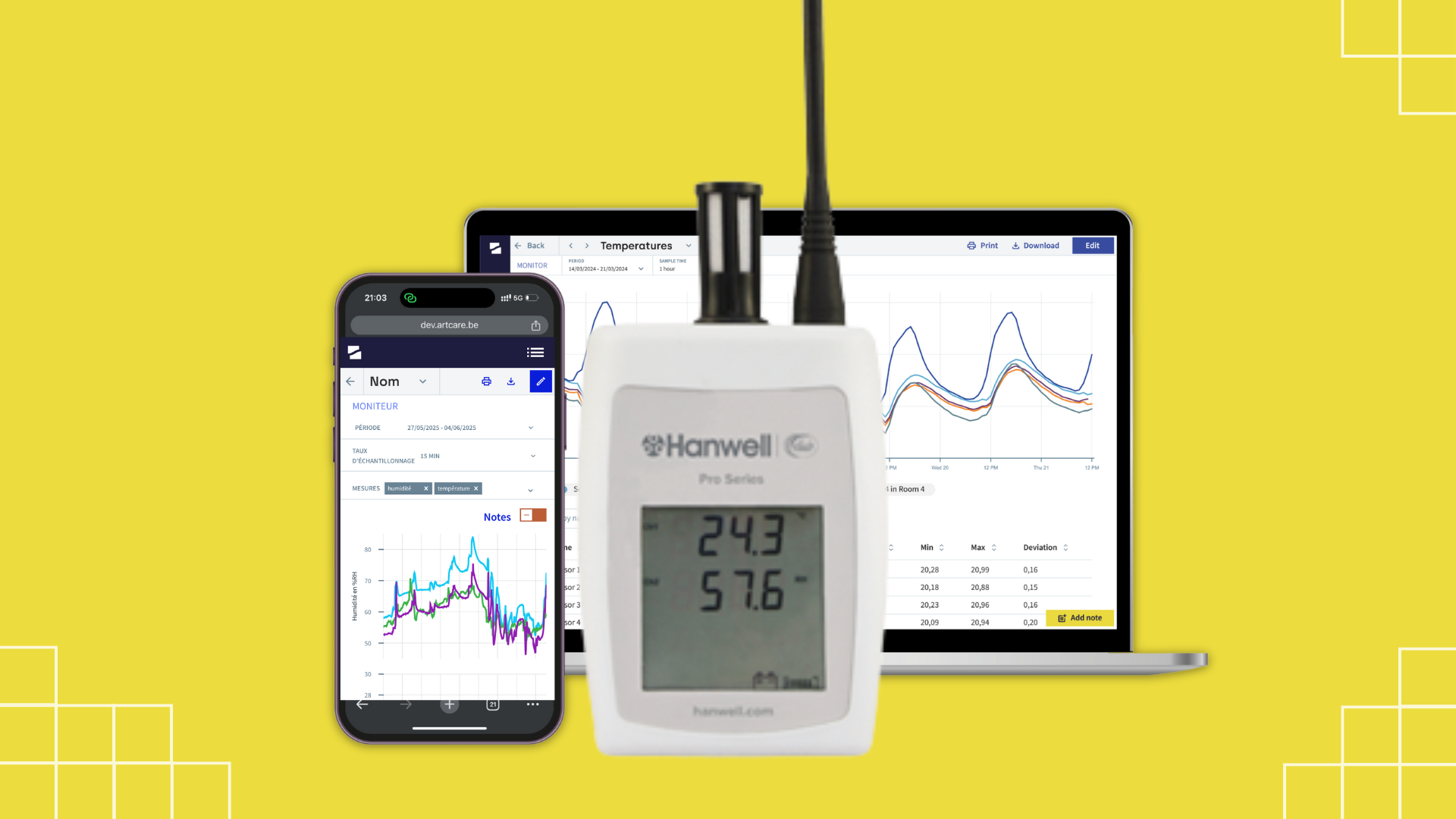
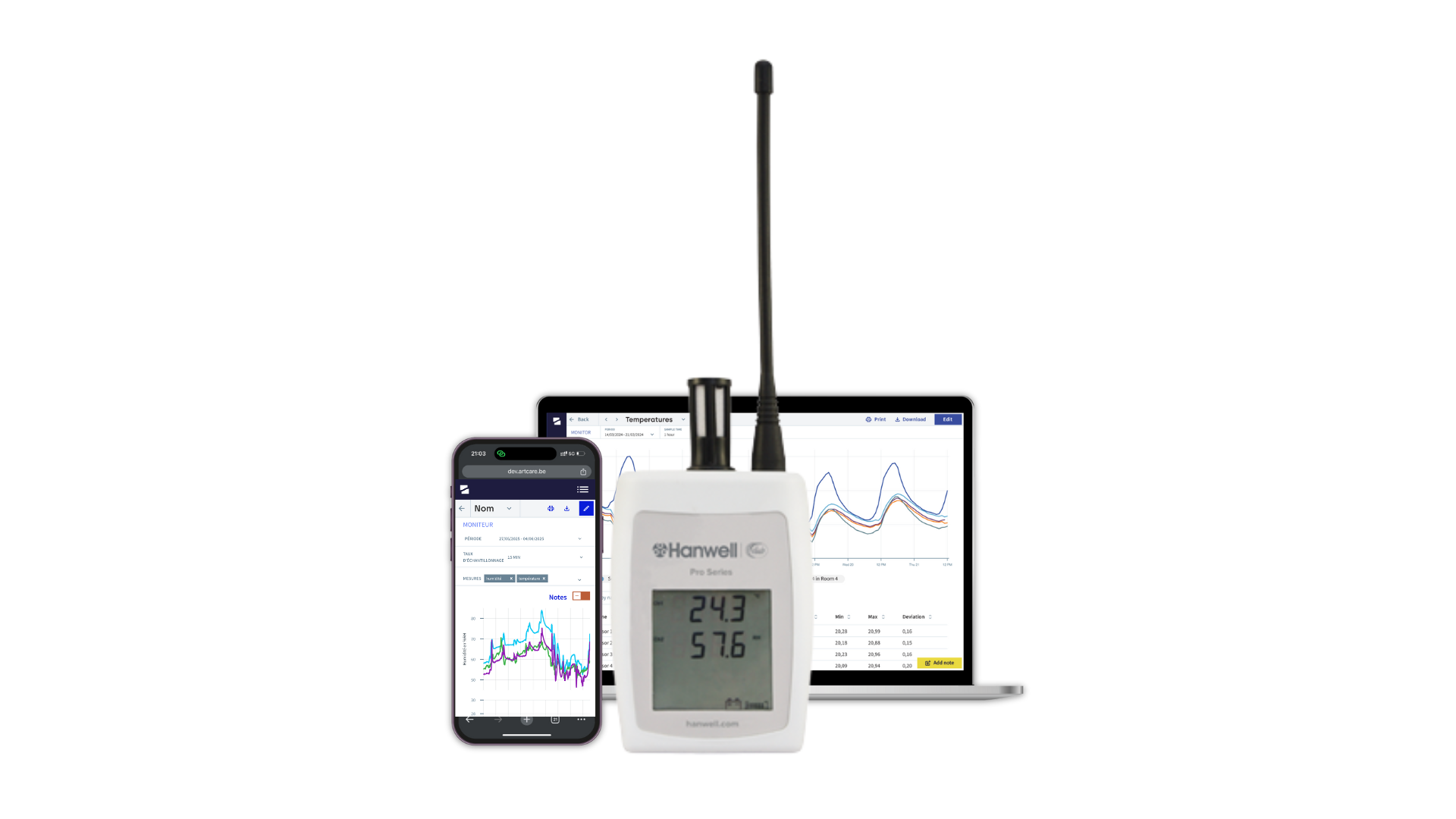
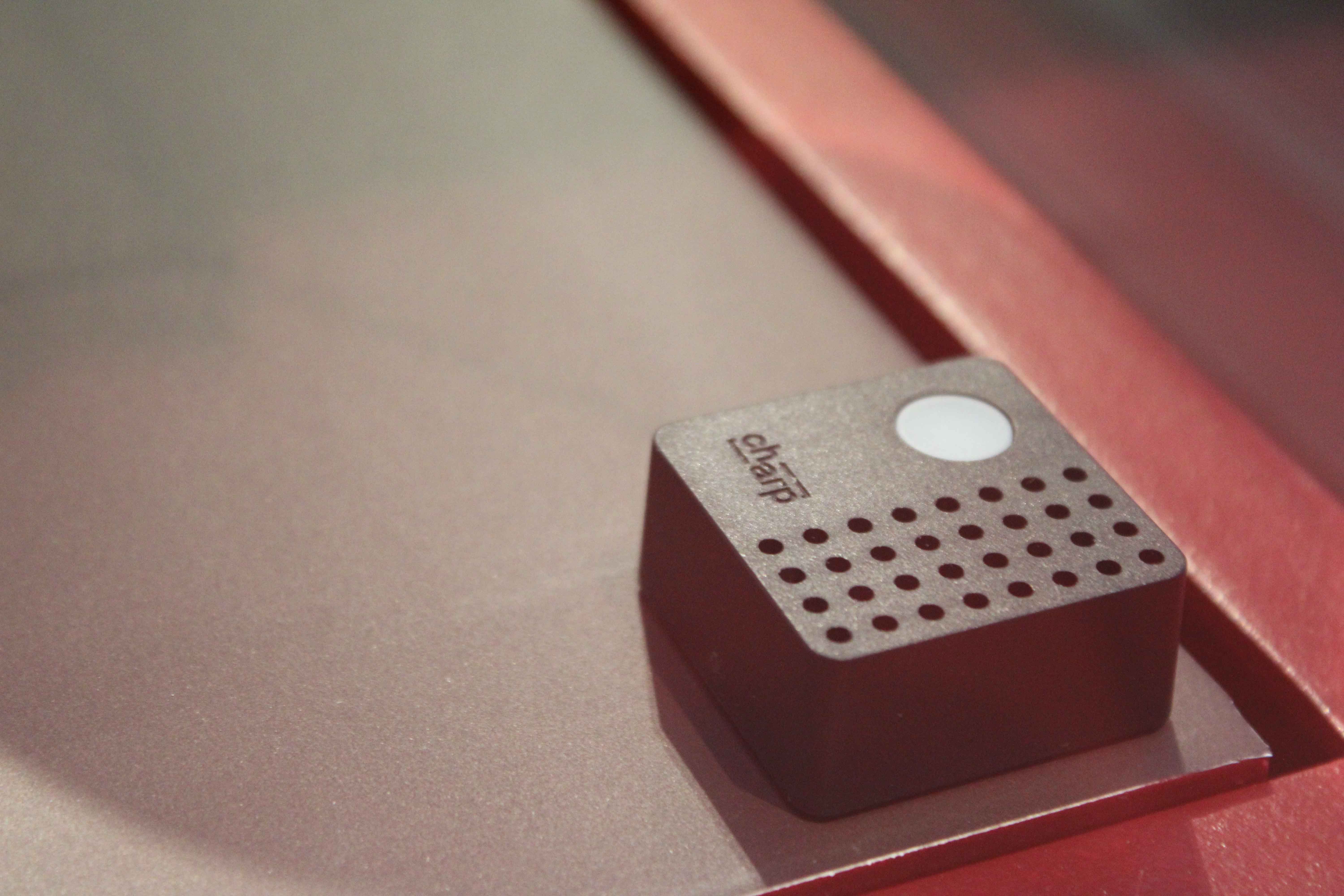
CHARP combines advanced sensors with wireless, real-time data transmission to a shared online platform, where notes, floor plans, object locations, and tailor-made analyses can be visualised at a glance. The system is plug and play, so hosting teams can install and manage it themselves without technical configuration. Custom alerts notify teams when conditions shift, and data is easy to interpret, export, and share.

Design matters, too
We have yet to meet a scenographer who wants to install a clunky box sprouting an antenna into a carefully considered exhibition space. That’s why our loggers are designed to be discreet and versatile, making them suitable for both classical and contemporary settings. Their minimalist design and multiple mounting options allows for unobtrusive placement on walls, inside display cases, or within architectural features—without interfering with the scenography.